
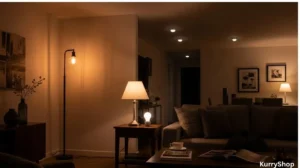
The first smart bulb I ever installed was supposed to fix one small, stupid problem. I kept falling asleep on the couch with the main light on. Not a cozy lamp, not a warm glow — the full overhead light, the kind that makes you feel like you passed out in an office break room. I’d wake up at 2 a.m., half-blind, annoyed, shuffle to the switch, flip it off, and promise myself I’d “figure something out.”
That “something” ended up being a smart bulb. Screw it in, connect it to Wi-Fi, tap my phone once, and the room goes dark. Simple. Or at least that was the idea. A few years later, there are smart bulbs in most rooms of my place. Some days they feel genuinely helpful. Other days, they make me want to put back the dumb bulbs and call it a win. The truth, like most home tech, lives somewhere in between.
What smart bulbs actually do well (when everything behaves)
The biggest thing smart bulbs get right isn’t the colors or the apps or the automation buzzwords. It’s control. Not futuristic control, not “smart home showcase on YouTube” control — just small, everyday moments where you don’t have to move.
Being able to turn off a light without getting up sounds lazy until you’ve lived with it for a while. Then it starts to feel normal. You’re already under a blanket, the room is quiet, and instead of negotiating with yourself about whether it’s worth standing up, you tap your phone or say a short voice command. The light goes off. Your brain stays calm.
Brightness control is another quiet win. Traditional bulbs are either on or off. Smart bulbs let you live in the middle. Early morning light can be soft enough that it doesn’t punch you in the eyes. Late-night lighting can fade down instead of snapping off, which weirdly helps your body understand it’s time to wind down.
Color temperature matters more than most people expect. Warm light in the evening feels different. Not emotionally different in a poetic way — physically different. Cooler white light tells your brain it’s daytime. Warm light tells it to slow down. When smart bulbs switch automatically based on time, you stop thinking about it, and that’s kind of the point.
Smart bulb packaging loves to list features like they’re superpowers. Wi-Fi. Zigbee. Voice control. Millions of colors. But living with those features is less dramatic and more… textured.
Voice control sounds impressive until you realize how often you don’t want to talk. It’s great when your hands are full or when you’re already speaking to someone. It’s awkward when you’re alone and tired and feel silly saying “turn off the living room light” to the ceiling. Some days you use it constantly. Other days you forget it exists.
Apps are fine, until they’re not. Most smart bulb apps look polished, but they’re another thing to manage. Updates. Permissions. Occasional logouts. When the app opens quickly and remembers your settings, it feels invisible. When it lags, crashes, or forgets which bulb is which, it suddenly feels very visible.
Schedules and automation are where smart bulbs quietly earn their keep. Lights turning on just before sunset. Bedroom lights dimming automatically at night. Hallway lights coming on briefly when motion is detected. These things fade into the background after a while, which is a compliment. You only notice them when they fail.
Most smart bulbs share a core set of specs. On paper, they look similar. In real homes, the differences show up slowly.
Connectivity (Wi-Fi vs Zigbee vs Bluetooth)
Wi-Fi bulbs are easy to set up but can crowd your network if you add many of them. Zigbee bulbs need a hub, which sounds annoying until you realize they’re often more stable and responsive. Bluetooth bulbs are cheap and simple, but control range can be frustrating.
Brightness (measured in lumens)
A bulb that claims 800 lumens on the box might feel dimmer once you start using colors or warmer tones. Brightness drops when you move away from pure white. This surprises people.
Color range
Millions of colors is technically true, but you’ll probably use about six. Warm white. Soft white. A dim amber. Maybe blue or purple once in a while. The novelty wears off fast.
Power behavior
What happens after a power outage matters more than you think. Some bulbs default to full brightness when power returns, which is a terrible surprise at night. None of this ruins smart bulbs. It just reminds you they’re still products, not magic.
Where smart bulbs start to get annoying
The most frustrating thing about smart bulbs is that they’re lights that sometimes forget how to be lights. If the app breaks, the internet drops, or the hub glitches, you’re standing in a dark room wondering why a light switch suddenly feels useless. Yes, you can still turn most smart bulbs on and off with the physical switch — but then they lose their “smart” state. Automations stop working. Colors reset. Schedules go out of sync.
Another quiet annoyance is shared spaces. Not everyone wants to learn your lighting system. Guests flip switches instinctively. Family members get confused when lights don’t behave “normally.” Explaining why a light didn’t turn on because someone used the switch earlier gets old fast.
Then there’s decision fatigue. When you can customize everything, you sometimes feel like you should. Scenes. Rooms. Zones. Automations layered on automations. At some point, you realize you’re spending more time adjusting light behavior than enjoying the light itself.
What most people get wrong about this…
People think smart bulbs are about showing off. Colors, syncing with music, dramatic lighting scenes. That stuff exists, sure, but it’s not why smart bulbs stick around. The real value is reducing friction. Fewer small interruptions. Fewer moments where you have to stop what you’re doing to manage your environment. When smart bulbs work best, you stop thinking about them completely.
Another common mistake is starting too big. Outfitting an entire home at once sounds efficient, but it’s overwhelming. Every room behaves differently. What feels perfect in a bedroom might be annoying in a kitchen. Adding bulbs gradually lets you learn what you actually want instead of what the app suggests.
People also underestimate reliability. A bulb that does fewer things consistently is better than a feature-rich one that occasionally fails. Lighting is emotional in a subtle way. When it’s wrong, it affects your mood more than you expect.
This is where opinions start to split. Smart bulbs give you flexibility. Colors. Individual control. Fine-grained brightness. Smart switches give you reliability. Physical control that still works when the internet doesn’t.
Living with both makes the trade-off clear. Smart bulbs shine in lamps, bedrooms, and spaces where mood matters. Smart switches feel better in shared areas like hallways, kitchens, and bathrooms, where you just want the light to turn on every single time. Neither option is “better.” They solve slightly different problems. Trying to force one solution everywhere is usually what leads to frustration.
Apple vs Amazon vs everyone else (without picking sides)
Apple HomeKit feels calm and restrained. Setup is usually smooth, automations are simple, and privacy feels like it was actually considered. The downside is limited compatibility and higher prices. Amazon Alexa feels flexible and loud in comparison. It works with almost everything, responds quickly, and integrates easily. The trade-off is a busier ecosystem and more notifications than you might want. Google sits somewhere in the middle, strong on voice recognition and integration, but sometimes inconsistent with long-term support. None of these ecosystems ruin smart bulbs. They just shape the experience. Choosing one is less about specs and more about how much mental space you want to give your home tech.
Living with smart bulbs long-term
After the novelty fades, smart bulbs settle into the background. You stop changing colors. You stop opening the app daily. You keep the automations that actually help and delete the rest. The bulbs that survive are the ones that feel boring in the best way. They turn on when expected. They don’t demand attention. They don’t surprise you at the wrong moment.
And when one fails — because they do fail — you feel it more than you would with a regular bulb. Not because it’s expensive, but because you’ve built habits around it. Smart bulbs aren’t the future of lighting. They’re just another tool. A sometimes useful, sometimes irritating, occasionally delightful tool that fits certain homes better than others.
If you go in expecting magic, you’ll be disappointed. If you go in trying to solve small, real problems — like that overhead light you keep forgetting to turn off — they can quietly make everyday life a little smoother. And on nights when everything works, when the lights dim just right and the room feels calm without effort, you remember why you bothered in the first place.