
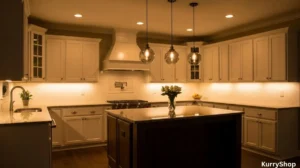
The first automation I ever set up wasn’t impressive. No voice commands. No color-changing lights. It was just a lamp in the living room that turned on around sunset. I remember noticing it one evening when I came home later than usual. The place wasn’t dark when I opened the door. Not bright either. Just… ready. That was it. No “wow” moment. No tech thrill. But something in my shoulders relaxed before I even realized why.
That’s when it clicked that automation, at least the kind that actually sticks, isn’t about doing more. It’s about removing tiny frictions you didn’t know you were carrying. Most of the time, homes don’t feel stressful because something is wrong. They feel stressful because you’re constantly adjusting them. Lights. Temperature. Noise. Little decisions stacking up until your brain stays half-on even when you’re supposed to be resting. Small automations don’t fix your life. They just quiet it down a bit.
Think about how much effort goes into keeping a place feeling “normal.” You turn lights off when you leave a room, then back on when you return. You check if the door is locked, sometimes twice. You adjust the thermostat when the air feels off, even though you can’t quite explain why. None of this feels heavy in isolation. But it’s constant.
What automation does, at its best, is take responsibility for the boring parts without announcing itself. The mistake people make is assuming automation should feel futuristic. In reality, the most effective ones feel like they’ve always been there. You stop noticing them the same way you stop noticing the hum of the fridge. That’s not accidental. It’s design meeting habit.
Lights that behave like people live there
Lighting is usually where people start, and not because it’s flashy. It’s because light has a direct emotional effect, even if we pretend it doesn’t. A light that turns on gently in the morning feels different from one you flick on manually. Not brighter. Just kinder. Your body reacts before your thoughts catch up. In daily use, this often looks like:
- Hallway lights that turn on dimly at night, so you don’t blind yourself grabbing water.
- Porch lights that come on before sunset instead of after you remember.
- Bedroom lamps that fade off instead of snapping the room into darkness.
None of this saves time in a measurable way. What it saves is attention. You’re not deciding. You’re not interrupting yourself. And when something goes wrong—like a bulb burning out—you notice it immediately because you’re used to the environment behaving a certain way. Automation creates a baseline, and humans are very good at noticing when baselines shift.
Thermostats are interesting because they’re one of the few devices that already automate themselves, yet still manage to cause frustration. Most people don’t want to manage temperature. They want it to disappear.
When automations work here, they usually rely on patterns rather than precision. It’s not about hitting exactly 72 degrees. It’s about the house feeling stable when you walk in. A schedule that lowers heating slightly at night, then brings it back before you wake up, changes mornings more than you’d expect. Not because you’re warmer, but because you’re not aware of the cold at all. Some setups go further:
- Lowering heating when windows are opened.
- Adjusting cooling based on whether anyone is home.
- Avoiding sudden changes that make the system feel “active.”
The important part is restraint. Systems that chase perfection end up feeling fidgety. Systems that aim for “good enough” fade into the background.
Doors, locks, and the mental loop they close
There’s a specific kind of thought that automation is especially good at eliminating: the “Did I…?” loop. Did I lock the door?
Did I close the garage?
Did I leave something open?
These thoughts don’t demand action right away. They sit there. They pull at your attention during meetings, on the couch, halfway through a movie. Automated locks and sensors don’t stop bad things from happening as much as they stop those loops from forming.
A quick glance at your phone showing everything is closed doesn’t feel dramatic. It feels done. Your brain accepts it and moves on. Even better is when you don’t have to check at all because the system handles it. Doors that auto-lock after a certain time. Notifications only when something is actually open longer than expected. The key is silence. Constant alerts recreate the problem they’re supposed to solve. Selective ones dissolve it. Motion sensors get a bad reputation because people imagine alarms going off every time someone shifts on the couch. In practice, the good ones aren’t about detection. They’re about context.
A light turning on when you enter a room isn’t impressive. But a light not turning on when it’s already bright outside is quietly thoughtful. Motion plus time plus ambient light tells a better story than motion alone. In daily life, this might look like:
- Bathroom lights that come on softly at night and fully during the day.
- Entryway lights that trigger only when it’s dark and someone actually arrives.
- No notifications at all unless movement happens when no one should be home.
When sensors are tuned well, you forget they exist. When they’re not, they feel like a nervous pet jumping at every sound.
One of the unexpected effects of living with small automations is how they shape behavior without demanding it. If lights dim at a certain hour, you start winding down earlier. If music fades out late at night, you stop pushing bedtime. If the house grows quieter automatically, your body follows. This isn’t control. It’s suggestion.
Humans respond to environment more than intention. We like to believe we make conscious choices, but most of the time we’re just reacting to cues. Automation tweaks those cues. The danger is overdoing it. Too many automations create friction instead of flow. You feel like the house is telling you what to do. The sweet spot is subtlety.
| Small Automation | What It Does | How It Actually Feels |
|---|---|---|
| Lights at sunset | Turns on key lights automatically as daylight fades. | Coming home feels calmer, like the house was already expecting you. |
| Night hallway lighting | Low-brightness lights triggered by motion after bedtime. | You move around half-asleep without being fully jolted awake. |
| Auto-locking doors | Locks doors after a set time or when you leave home. | The “did I lock it?” thought never shows up in your head. |
| Heating pauses on open windows | Stops heating or AC when a window stays open. | The house feels sensible, not wasteful or reactive. |
| Quiet bedtime routine | Dimming lights and lowering noise late at night. | You wind down naturally without checking the clock. |
“When automations work, you don’t feel managed. You feel supported.”. You shouldn’t notice the system guiding you. You should just feel oddly aligned with it.
The checklist mindset (without turning life into a spreadsheet)
When people talk about automations, they often rattle off features. Motion detection. Geofencing. Scenes. Protocols. In real homes, it’s simpler. The setups that last usually cover a short, honest list:
- Things that happen every day.
- Things that are easy to forget.
- Things that interrupt rest when they go wrong.
That’s it. For example, door sensors aren’t exciting, but they quietly support automations that matter. Lights turning off when a door closes. Heating pausing when a window opens. Notifications only when something is unusual. It’s less about what the device can do and more about what it stops you from thinking about.
What most people get wrong about home automation
The biggest misconception is that automation should replace interaction. In reality, it should replace repetition. You still want to control your space. You just don’t want to do the same things over and over. Systems that remove choice feel invasive. Systems that remove redundancy feel helpful.
Another common mistake is starting with complexity. Multi-step scenes. Voice commands for everything. Conditional logic stacked on top of more logic. Those setups tend to break quietly. And when they do, people abandon them entirely. The most resilient automations are boring. They do one thing. They do it well. And they do it the same way every time. That’s not a limitation. It’s why they blend in.
When automation fails, you feel it immediately
One downside of a well-automated home is that you become sensitive to disruptions. When a light doesn’t turn on as expected, it’s noticeable. When a door doesn’t auto-lock, it feels unfinished. You’ve adjusted your expectations. This isn’t dependency in a dramatic sense. It’s habit.
The solution isn’t to avoid automation. It’s to design systems that fail gracefully. Lights that can still be switched manually. Locks that work normally without internet. Automations that don’t leave you stuck when something goes offline. The best setups assume things will occasionally break and don’t punish you for it.
Different ecosystems reflect different ideas about how automation should feel. Apple’s approach tends to emphasize restraint. More local processing. Fewer notifications. Less customization upfront, but fewer surprises later. It feels conservative, sometimes limiting, but calm.
Amazon and Google lean toward flexibility. Easier integrations. More features. Faster experimentation. That openness can be powerful, especially if you enjoy tweaking. It can also lead to noise if you’re not careful. Neither is objectively better. They just answer different questions.
One asks, “How can this disappear into daily life?”
The other asks, “How much can this system do?”
Your tolerance for complexity usually determines which feels more comfortable over time.
How automations change how guests experience your home
This part doesn’t get talked about much. Guests notice automated homes differently than owners do. They don’t see the logic. They feel the atmosphere. Lights that come on smoothly. Rooms that are already comfortable. Music that doesn’t blast unexpectedly. These things register emotionally, not technically.
Problems show up the same way. A bathroom light that won’t turn off manually feels confusing. A voice assistant responding unexpectedly feels awkward. If you ever feel the need to explain how your house works, that’s a sign something might be over-automated. Good automations don’t require instructions.
After living with small automations for a while, the biggest change isn’t convenience. It’s cognitive. You make fewer tiny decisions. Not the important ones. The background ones. Should I turn this off now or later?. Is it warm enough?. Did I close everything?
Those questions fade. Not because you stopped caring, but because the environment carries some of the load. That mental space doesn’t always get filled with productivity. Sometimes it just turns into rest. Or presence. Or nothing at all. And that’s kind of the point.
Automation isn’t neutral. It shapes behavior whether you want it to or not. If every action triggers a response, you start feeling watched. If every moment is optimized, the house feels rigid. Life isn’t always efficient, and homes shouldn’t be either. There’s value in friction sometimes. Turning a lamp on by hand. Opening a window yourself. Choosing silence instead of a routine. The goal isn’t a house that runs itself. It’s a house that supports how you actually live.
These days, I still notice that living room lamp when it turns on at sunset. Not because it’s impressive, but because it reminds me that the house is quietly paying attention so I don’t have to. And most evenings, that’s enough.