

Luxury is in the details — from the curve of a bag’s flap to the subtle shine of a belt buckle. For the modern American woman, the right accessory isn’t just an add-on; it’s a statement. Today, a select range of high-class pieces is available at exclusive prices — carefully curated to elevate your everyday style without compromise.
🎁 Exclusive Executive Deal!
Join Italist Infinity today and get an EXTRA 15% OFF on your luxury purchases!
+ Stand a chance to win a $15,000 luxury trip to Italy! 🇮🇹
⚡ FREE EXPRESS GLOBAL SHIPPING INCLUDED
There’s something slightly awkward about talking seriously about accessories. Belts, wallets, small structured bags — they’re not the main outfit. They don’t usually get the dramatic compliments. Most of the time, they sit quietly in the background while shoes or coats take the spotlight.
And yet, if you pay attention, they’re often the things people handle the most. The bag that’s opened ten times a day. The wallet that’s pulled out at the coffee counter. The belt that keeps everything looking intentional instead of slightly unfinished.
When something is well made, you notice it in strange, subtle ways. The flap closes smoothly. The hardware doesn’t feel hollow. The stitching doesn’t beg for attention, but it’s there, steady and even. This is where brands like Dolce & Gabbana, Gucci, and Burberry operate differently. Not louder, necessarily. Just more deliberate. Let’s talk about a few pieces that quietly do their job — and why that matters more than we admit.
| Product | Brand | Material | Size | Collection |
|---|---|---|---|---|
| Miss Sicily Medium Bag | Dolce & Gabbana | Black Leather | 20×16×11 cm | FW 2025 |
| 3 Cm GG Gold Belt | Gucci | Black Calf Leather | Height: 3 cm | FW 2025 |
| Lancaster Wallet | Burberry | Polyurethane Blend | 11.5×9×3 cm | FW 2025 |
| Logo Plaque Cardholder | Dolce & Gabbana | Pink Leather | 10×7.5×0.5 cm | FW 2025 |
A structured bag that doesn’t try too hard
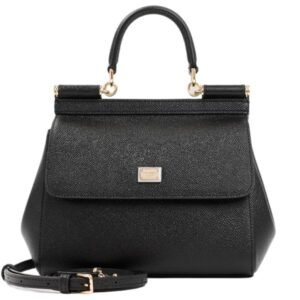
The Miss Sicily Medium Bag from Dolce & Gabbana isn’t oversized. It doesn’t scream for attention. At 20cm wide, it’s compact — almost precise. That size alone tells you something: this isn’t a bag for carrying everything “just in case.”
It’s the kind of piece you reach for when you already know what you need for the day. Black leather. A top handle that sits upright. A front flap with magnetic fastening that closes with a clean click. Gold-tone hardware that reflects light without looking flashy. Even the branded plate feels placed rather than stamped.
There’s something reassuring about structure. A structured bag keeps its shape even when you’re not paying attention. You can set it down on a table, and it doesn’t collapse into itself. That sounds small, but it changes how you move. You’re not constantly adjusting it.
Now 38% off — the Dolce & Gabbana Miss Sicily Medium Bag is available for $1,249 instead of $2,029.
The detachable shoulder strap makes it practical, but I suspect most people carry it by the top handle when they want to feel slightly more put together. It’s from the Fall–Winter 2025 collection, made in Italy, and the craftsmanship shows in the details you don’t see in photos — the weight of the leather, the way the flap aligns perfectly every time. There’s a difference between something that looks elegant and something that behaves elegantly. This bag falls into the second category.
The belt that quietly defines the outfit
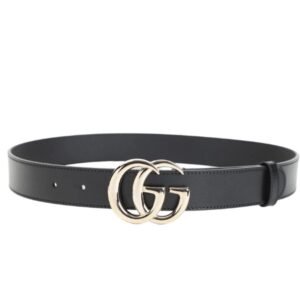
Belts are underestimated. A belt is rarely the reason someone compliments you. But remove it from the outfit, and suddenly something feels unfinished. It’s like a sentence missing punctuation. The 3 Cm GG Gold Belt by Gucci is simple at first glance: black calf leather, 3cm height, adjustable design. But that silver-tone GG buckle — that’s where the conversation happens. Not loudly. Just confidently.
Three centimeters is deliberate. It’s wide enough to anchor tailored trousers or denim, but not so wide that it overwhelms the waist. That balance is important. Too slim and it disappears. Too thick and it feels heavy. When leather is good quality, it ages in a specific way. It softens without sagging. It develops small bends where it’s fastened most often. Over time, the belt starts to follow your shape instead of fighting it.
Now 34% off — the Gucci 3 Cm GG Gold Belt is available for $429 instead of $649.
People sometimes assume designer belts are about logos. In reality, the difference shows up in durability. A poorly made belt creases awkwardly and loses its form within months. A well-made one holds tension evenly. The buckle doesn’t loosen. The edges don’t peel. You don’t notice this in the first week. You notice it after a year.
Wallets and the small rituals of daily life
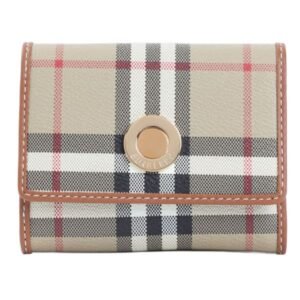
We don’t think about wallets until we’re standing in line somewhere. The Lancaster Wallet by Burberry carries that familiar vintage check pattern — beige, red, black, and white — framed by brown edges with contrasting stitching. It’s compact: 11.5cm wide, 9cm high.
Small enough to fit comfortably in a coat pocket without creating a bulky outline. What I appreciate about well-designed wallets is internal organization. Card slots that aren’t too tight. A coin pocket that zips without snagging. A bill compartment that doesn’t crumple notes into awkward folds.
The materials here — polyurethane, polyester, cotton — might not sound as romantic as full leather, but they serve a purpose. Durability. Resistance to daily friction. Wallets endure more stress than we realize. They’re sat on, bent, pressed into crowded bags.
Now 37% off — the Burberry Lancaster Wallet is available for $410 instead of $649.
The signature Burberry check has been around for decades, and it works because it’s consistent. Recognizable, but not chaotic. Patterns can be tricky; too busy and they date quickly. This one holds its ground. There’s something almost comforting about opening a wallet that feels solid and familiar. It becomes part of your routine in a quiet way.
The smallest pieces often work the hardest
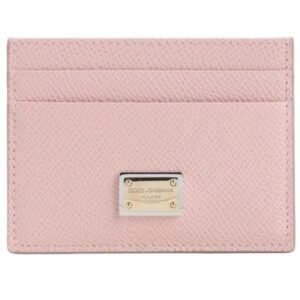
Cardholders are interesting. They’re minimal by definition. They assume you don’t need to carry everything. The Cardholder With Logo Plaque from Dolce & Gabbana is made of pink leather, with six card slots and tonal stitching. It’s slim — just half a centimeter deep.
That thinness changes how you carry it. It slips into smaller bags easily. It fits into inner jacket pockets without creating bulk. For someone who pays digitally most of the time and carries only essential cards, this kind of design makes sense. There’s something modern about reducing what you carry. Not in a dramatic, minimalist philosophy way. Just practical. Fewer things to search through. Less clutter when you’re in a hurry.
Now 35% off — the Dolce & Gabbana Cardholder With Logo Plaque is available for $205 instead of $314.
the Dolce & Gabbana Cardholder With Logo Plaque
And the color — pink — shifts it slightly away from strict neutrality. Accessories don’t always need to be black or brown. Sometimes a softer tone feels more personal, especially when the design itself is restrained.
Why “Made in Italy” still matters
It’s easy to dismiss country-of-origin labels as marketing. But manufacturing traditions are real. Italy has built decades of expertise in leather treatment, stitching techniques, hardware finishing. When a piece is made in Italy — like the Miss Sicily bag or the Gucci belt — it reflects a supply chain that prioritizes skilled labor. That doesn’t mean perfection. It means attention.
Edges are painted carefully. Seams are reinforced. Hardware is tested for wear. These aren’t glamorous details, but they determine whether something lasts five years or fifteen. The difference isn’t visible in one glance. It’s visible after repeated use.
About scarcity and urgency
You’ve probably noticed phrases like “Only 2 left in stock” or “7 people have this in their bag.” They create a subtle tension. A feeling that you should decide quickly. Sometimes that urgency is real. Limited production runs, seasonal collections, discontinued colorways — those happen. The Fall–Winter 2025 releases won’t sit around forever. But the smarter approach isn’t panic. It’s clarity.
If a piece fits into your daily life — if you can already imagine when you’d carry it or wear it — then scarcity is just information. If you’re unsure how it fits into your routine, no countdown timer will fix that uncertainty. Accessories shouldn’t feel like impulse decisions. They stay with you too long for that.
The quiet economics of quality
Luxury pricing always sparks debate. A $1,249 bag. A $429 belt. A $410 wallet. On paper, those numbers look steep. And they are significant investments. What complicates the conversation is longevity. If a belt lasts ten years instead of two, the cost per year changes. If a bag keeps its structure and hardware intact long after trend cycles pass, it shifts from purchase to possession.
There’s also repairability. Higher-end brands often allow for hardware replacement or stitching repair. That extends lifespan further. None of this means everyone should buy luxury accessories. It just explains why some people do — not for status, but for consistency. There’s comfort in knowing your bag won’t fail you mid-commute because a strap gave out.
Function before display
The most interesting thing about these pieces is that none of them rely on extreme design. No exaggerated logos splashed across every surface. No experimental shapes that make storage impractical. They’re functional first.
The Miss Sicily bag has dimensions that hold essentials without overwhelming your frame. The Gucci belt is proportioned carefully. The Burberry wallet is organized logically. The Dolce & Gabbana cardholder is slim enough to disappear when needed. Function isn’t glamorous. But it’s what keeps you reaching for the same item again and again. If you’ve ever owned something beautiful but inconvenient, you know how quickly admiration turns into annoyance.
Living with them
Accessories become part of your rhythm. You learn exactly how the magnetic flap closes. You know which card slot holds your ID. You fasten the belt without looking. They pick up small signs of wear — faint scratches, softened edges — that don’t ruin them. They personalize them. And over time, they stop feeling like purchases. They feel like tools.
That’s probably the most honest way to see them. Not trophies. Not symbols. Tools that happen to be carefully made. When you strip away the branding, the stock alerts, the seasonal labels, what remains is simple: leather shaped into something useful. Hardware attached to hold it together. Craftsmanship that determines how long it lasts. Some days, that’s enough.