
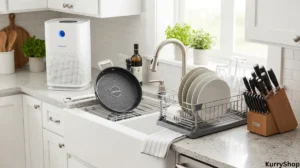
“As an Amazon Associate, I earn from qualifying purchases.”
The first time I really noticed my kitchen was when I stopped using it. I’d moved into a small apartment with a decent-looking kitchen—white cabinets, shiny sink, the kind of place that photographs well. But after a few weeks, I realized I was ordering takeout almost every night. Not because I couldn’t cook, but because the space just felt uncomfortable. The air stayed heavy after frying anything, the sink filled up faster than I expected, and my one cheap pan stuck to everything from eggs to onions.
Nothing was technically “broken.” It just didn’t work the way a kitchen should. And that’s when I started paying attention to the little things that actually make cooking easier, cleaner, and healthier. Not fancy gadgets. Just the right basics.
The air you don’t notice—until you do
Most people think of kitchens in terms of food, not air. But the air changes constantly when you cook. Frying oil, steam from rice, the smell of onions, the faint smoke from something left a little too long on the heat—it all lingers. In smaller apartments, especially, that smell moves into the living room, the curtains, even your clothes.
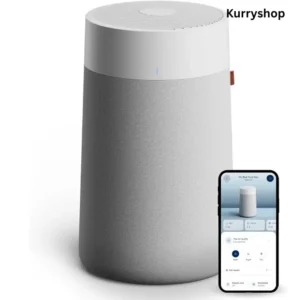
That’s why air quality matters more than people think. A simple air purifier can make a kitchen feel less stuffy, especially if you cook often or live with pets. One commonly used option is the BLUEAIR Blue Pure 311i Max, which is designed for medium rooms and can clean a large space fairly quickly. Its technical details are straightforward:
- Covers up to 1,858 square feet in about an hour
- Uses HEPASilent technology (a mix of mechanical and electrostatic filtration)
- Smart controls through an app
- Designed for dust, smoke, pet dander, and cooking odors
- Runs relatively quietly compared to older models
It’s not something you look at every day. It just sits in a corner and does its job. But the difference shows up in small ways—less lingering smell after frying fish, fewer particles floating in sunlight near the counter.
Some people rely only on a range hood. That works if it’s powerful and properly vented outside. But in many homes, especially rentals, the hood just recirculates air through a thin filter. An air purifier ends up doing the real cleanup.
The sink is where the day ends
There’s something about the sink that quietly determines how a kitchen feels. If it’s too small, dishes pile up awkwardly. If it scratches easily, it starts looking old within months. And if the edges are hard to clean, you notice it every time you wipe the counter. A workstation-style sink solves more problems than it seems like it would.
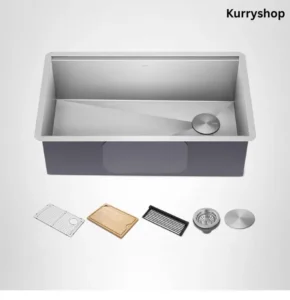
The KRAUS Kore 32-inch undermount workstation sink is one example people often compare others to. It’s built from thicker stainless steel than most basic sinks, and it comes with accessories that slide across the top. Here’s the practical checklist:
- 16-gauge stainless steel (thicker, less denting)
- Large single-bowl design for big pots
- Integrated ledge for accessories
- Includes:
- Cutting board
- Roll-up drying rack
- Bottom grid
- Drain assembly
- Undermount installation for a cleaner counter line
The appeal isn’t just the size. It’s the way you can rinse vegetables, slide them to the cutting board, then push scraps straight into the drain without moving across the kitchen. It feels less like doing chores and more like a smooth sequence of small motions.
A pan that doesn’t fight you
Most people keep using bad pans longer than they should. I did too. You just adjust your cooking around it—more oil, lower heat, scraping things off with a spatula. But once you switch to a better pan, you realize how much effort you were wasting.
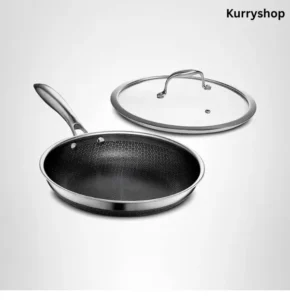
The HexClad 10-inch hybrid frying pan sits somewhere between traditional nonstick and stainless steel. It’s not the cheapest option, but it tries to solve a common problem: nonstick pans that wear out too fast. The basic specs look like this:
- Hybrid surface combining stainless steel and nonstick
- Oven-safe up to 900°F
- Compatible with all cooktops, including induction
- Dishwasher-friendly
- Stay-cool handle
- Comes with a tempered glass lid
What stands out is the way food releases without feeling like you’re cooking on a delicate surface. You can sear chicken or cook eggs in the same pan without worrying that one mistake will ruin the coating. Compared to standard nonstick pans, it feels more forgiving. Compared to pure stainless steel, it’s less stressful when you’re half-awake making breakfast.
The quiet importance of a drying rack
A drying rack doesn’t seem like a “healthy” kitchen essential. It sounds more like a convenience item. But when dishes sit in the sink or on a towel all day, the kitchen starts to feel cluttered, even if it’s technically clean. Water collects. Plates lean at odd angles. You move things around just to reach the faucet.
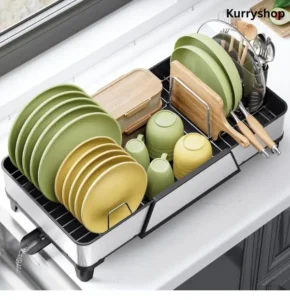
A simple expandable rack like the Urackify triple expandable dish drying rack solves that by giving everything a place:
- Expandable design to fit different counter sizes
- Stainless steel construction
- Separate holders for:
- Utensils
- Plates
- Pans
- Designed to drain water efficiently
It’s not glamorous. But when you finish washing dishes and everything stands upright in neat rows, the counter suddenly feels calmer. Less visual noise. And that matters more than most people admit.
Knives: the difference between cooking and struggling

A dull knife doesn’t just slow you down. It changes how you cook. You start avoiding certain foods because they’re annoying to cut. Tomatoes get crushed instead of sliced. Onions take longer than they should. Herbs become a messy pile instead of clean strips. A full knife set like the Sunnecko 15-piece knife block set gives you the basics in one place:
- High-carbon stainless steel blades
- 15-piece set, including:
- Chef’s knife
- Bread knife
- Utility knives
- Paring knife
- Steak knives
- Wooden block with built-in sharpener
- White handle design
You don’t use every knife every day. But when you need a bread knife or a small paring knife, it’s there. No digging through drawers. And the built-in sharpener quietly solves the biggest issue most people have: they never sharpen their knives.
What most people get wrong about a “healthy kitchen”
People often think a healthy kitchen is about buying special ingredients or expensive appliances. Smoothie blenders, air fryers, smart ovens. But the real difference usually comes from smaller things:
- Clean air that doesn’t carry yesterday’s frying smell
- A sink that makes washing vegetables easy
- A pan that doesn’t require extra oil just to function
- Knives that cut cleanly without frustration
- A drying system that keeps the counter uncluttered
When those basics work well, cooking feels less like a task. You stop postponing it. You don’t dread the cleanup. And that’s where healthier habits quietly begin. Not with a dramatic change. Just fewer small annoyances.
| Product | Main Purpose | Key Features | Best For |
|---|---|---|---|
| BLUEAIR Blue Pure 311i Max | Air purification | Cleans 1,858 sq ft, HEPASilent tech, smart controls | Removing cooking smells, dust, and allergens |
| KRAUS Kore 32″ Workstation Sink | Food prep + dishwashing | 16-gauge steel, single bowl, sliding accessories | Small or busy kitchens |
| HexClad 10″ Hybrid Frying Pan | Daily cooking | Hybrid nonstick, oven-safe to 900°F, induction ready | Low-oil cooking and easy cleanup |
| Urackify Expandable Dish Drying Rack | Dish organization | Expandable design, stainless steel, utensil holders | Keeping counters dry and organized |
| Sunnecko 15-Piece Knife Set | Food preparation | High-carbon steel, full set, built-in sharpener | Complete knife setup for daily cooking |
A quick comparison: premium vs. standard setups
Let’s take the air purifier as an example. A budget purifier might:
- Cover only one small room
- Use a single thin filter
- Run loudly on higher settings
- Need frequent filter replacements
The BLUEAIR 311i Max, by contrast:
- Handles large areas in less time
- Uses layered filtration
- Stays relatively quiet
- Connects to smart controls for automation
The difference isn’t just in specs. It’s in how often you actually use it. A loud purifier gets turned off. A quiet one runs in the background all day. The same pattern shows up with sinks, pans, and knives. Better materials don’t just look nicer—they reduce friction in everyday tasks.
Small details that change the feel of the room
A healthy kitchen isn’t just about nutrition. It’s about the environment where food gets prepared. When the air feels fresh, you cook more often. When the sink is spacious, you wash vegetables instead of skipping them. When the pan heats evenly, you don’t drown everything in oil to prevent sticking.
These are subtle shifts. You don’t notice them on day one. But after a few weeks, the kitchen starts to feel less like a place you clean and more like a place you use. You leave a bowl of fruit on the counter. You slice something fresh instead of opening a packet. You cook one extra meal at home each week without really thinking about it. And usually, it starts with just a few practical essentials that quietly make the space work the way it should.