
A few years ago, home security was something I mostly thought about when I traveled. You lock the door, maybe ask a neighbor to keep an eye out, and hope nothing weird happens while you’re gone. That mindset doesn’t really hold up anymore. Not because the world suddenly became scarier, but because daily life changed. We order more packages. We work odd hours. We leave the house empty at unpredictable times. And somehow, all of that made the front door more important than it used to be.
In 2026, protecting a home isn’t about fear or worst-case scenarios. It’s about reducing friction. It’s about not wondering whether the door was locked when you’re already halfway down the highway. It’s about knowing a package arrived without refreshing a tracking page ten times. The technology behind this has matured quietly. It’s less flashy than it was five years ago, but far more reliable.
What surprised me most after using several modern security products is how little attention they demand. The best ones fade into the background. They don’t beep constantly. They don’t push alerts unless something actually matters. They just sit there, doing their job, while life keeps moving.
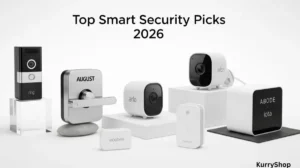
This article looks at five popular home security products people are actually using in 2026. Not from a marketing angle, and not as a checklist of specs alone, but from how they feel when they’re part of a normal week.
Ring Video Doorbell: When the front door stops being a mystery
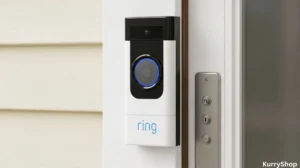
The first thing you notice after installing a Ring Video Doorbell isn’t the video quality or the app design. It’s the absence of guessing. You stop wondering who rang the bell when you were in the shower. You stop opening the door blindly when someone knocks late in the evening.
Ring’s camera doesn’t feel like a surveillance device. It feels more like a digital peephole that happens to remember things. The motion alerts are adjustable enough that you’re not getting notified every time a car drives by, but sensitive enough to catch someone lingering near the door.
In daily use, a few details stand out:
- The video feed loads quickly, even on average Wi-Fi. That matters more than ultra-high resolution.
- Two-way audio feels natural. You can answer without shouting, and the person outside doesn’t sound like they’re talking through a tunnel.
- Night vision isn’t cinematic, but it’s clear enough to recognize faces and body language.
There are downsides, and they show up over time. The subscription model can feel annoying once the free trial ends, especially if you only want to review footage occasionally. And if your Wi-Fi signal near the door is weak, performance drops fast.
Compared to Amazon’s Blink doorbells, Ring feels more polished and responsive. Blink is cheaper and simpler, but Ring handles real-world situations better, especially when there’s frequent motion. What makes Ring work isn’t that it records everything. It’s that it lets you forget about the front door until something actually happens.
August Wi-Fi Smart Lock: The end of “Did I Lock the Door?”
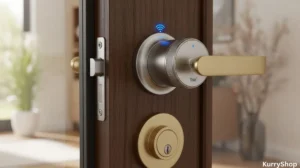
The biggest change a smart lock brings isn’t security. It’s mental relief. The August Wi-Fi Smart Lock doesn’t look impressive on the outside because it doesn’t change the exterior of your door at all. That’s intentional. From the street, it’s just a normal lock.
From your phone, it’s something else entirely. You don’t think about keys as much once you use it. The door locks itself after you leave. It unlocks when you arrive, if you want it to. And when someone needs access temporarily, you don’t have to hand over anything physical.
In everyday life, it shows up in small ways:
- Letting a friend in when you’re running late without rushing.
- Locking the door from bed after realizing you forgot.
- Checking the lock status while you’re already out of town.
The technology itself isn’t flashy. There’s no fingerprint scanner or futuristic keypad unless you add accessories. But the Wi-Fi connection is stable, and the app rarely gets in the way. Battery life is the main compromise. You’ll replace batteries every few months, and the app will remind you more than once. Some people find that annoying. Others see it as a fair trade for never wondering whether the door is secure.
Compared to Apple’s Home Key ecosystem, August is more flexible. It works across platforms and doesn’t assume you’re fully invested in one brand’s hardware. Once you get used to it, a regular lock feels strangely incomplete.
What Most People Get Wrong About Smart Locks
There’s a common assumption that adding technology to a door makes it weaker. In practice, most break-ins don’t involve hacking or lock-picking. They happen because doors are left unlocked or keys are misplaced. Smart locks reduce those everyday failures. They don’t make you invincible, but they quietly eliminate the most common mistakes.
Arlo Pro 5 Cameras: When Cameras Learn to Stay Quiet
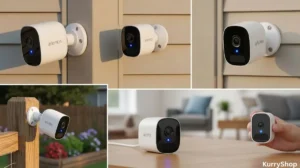
Arlo’s Pro 5 cameras are a good example of how home security tech has matured. A few years ago, cameras tried to do everything and ended up being loud and distracting. Arlo’s current approach is calmer. The headline feature is the AI-based detection, but what you notice is how selective it is. You’re not constantly checking alerts. When one arrives, it usually matters.
In regular use:
- The camera distinguishes between people, animals, and vehicles accurately enough that false alarms are rare.
- The wide field of view covers large areas without making everything look distorted.
- Low-light performance is practical rather than dramatic. You can see what’s happening without squinting.
The subscription unlocks more advanced detection and cloud storage, which feels unavoidable with cameras at this level. Without it, the system still works, but it’s less insightful.
Compared to Google Nest cameras, Arlo feels more neutral. Nest integrates deeply with Google’s ecosystem but can feel pushy with notifications. Arlo is more reserved, which some people appreciate after living with it for a while. The Pro 5 doesn’t make you feel watched. It makes you feel informed, which is a subtle but important difference.
Ecobee Smart Security Sensors: Protection You Don’t Think About
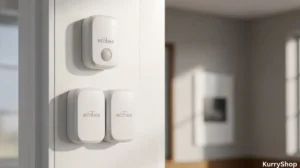
Ecobee’s security sensors are easy to overlook because they don’t do anything visible. No screens. No lights. No recordings. And yet, they handle some of the most expensive problems a home can have.
These sensors monitor things like:
- Water leaks under sinks or near appliances
- Smoke and sudden temperature changes
- Unexpected movement in quiet areas
They sit in places you rarely look at. Under cabinets. Near heaters. In basements. And most of the time, they do absolutely nothing.
That’s the point. If a pipe starts leaking slowly, you’ll know before the floor is damaged. If the temperature drops dangerously while you’re away, you’ll get a warning. These aren’t dramatic scenarios, but they’re the ones that turn into costly repairs if ignored.
Compared to Apple HomeKit sensors, Ecobee’s system is less rigid. It works well across different platforms and doesn’t assume you’re building a fully branded smart home. This kind of protection doesn’t make you feel safer day to day. It makes you feel less unlucky over the long term.
Abode Iota: When One System Is Enough
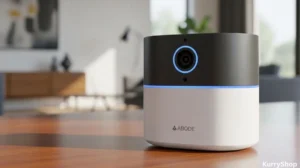
Some people enjoy customizing every part of their smart home. Others just want something that works without a learning curve. Abode Iota is built for the second group. It combines a camera, motion detection, environmental monitoring, and alarm features into a single hub. You don’t need to mix and match brands or apps. Everything lives in one place.
In practice, that means:
- One app to arm or disarm the system.
- One notification stream instead of five.
- A setup process that doesn’t feel like a weekend project.
The camera isn’t the best on the market, and the sensors aren’t the most advanced individually. But together, they form a system that’s easy to live with.
Compared to Ring Alarm, Abode feels more open. It plays better with different ecosystems and doesn’t push you as hard toward a single brand’s accessories. This kind of system is less about perfection and more about consistency. It’s there when you need it, and it stays out of the way when you don’t.
Choosing What Fits Your Life
There isn’t a single “best” home security product in 2026. What works depends on how you live. If your priority is knowing what’s happening at the front door, Ring is hard to beat. If you want to stop worrying about keys and locks, August makes daily life smoother. If you care about intelligent monitoring without constant noise, Arlo stands out. If you’re thinking about the kinds of problems that don’t announce themselves, Ecobee’s sensors quietly earn their place. And if you want one system instead of many decisions, Abode offers a balanced approach.
The common thread between all of them is restraint. The best security technology today doesn’t try to scare you into paying attention. It just reduces the number of things you have to think about. And once you experience that, it’s hard to go back to guessing.